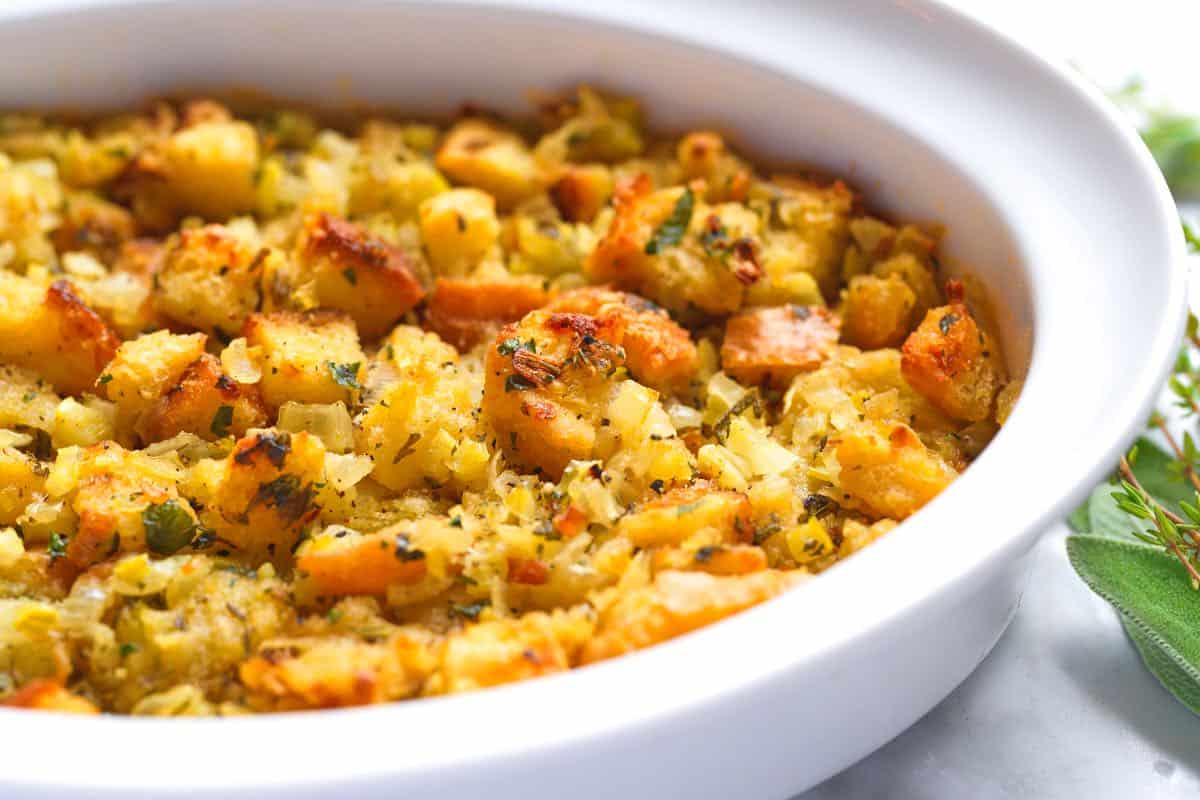
Easy Herb-Infused Stuffing: The Sourdough Difference for Holidays
There are certain aromas that instantly transport you, weaving memories of warmth, family, and celebration. For many, the scent of sage and butter mingling in a hot skillet is the quintessential thanksgiving stuffing invitation, signaling the heart of the holiday feast. Yet, the path to that perfect stuffing – with its golden, crispy top and wonderfully tender, herb-infused interior – can often be fraught with the disappointment of soggy bottoms or dry, flavorless crumbs.
We've all been there. Perhaps a well-intentioned shortcut or a rushed attempt left guests underwhelmed. It's a culinary moment that demands a shift, a quest for the ultimate homemade stuffing experience. After dedicated experimentation, testing various bread types and moisture levels, the secret was unlocked, leading to a recipe that has consistently transformed holiday meals. The key to achieving that legendary balance of texture and depth lies not just in a blend of time-honored techniques, but in one often-overlooked ingredient: sourdough bread.
This isn't just any stuffing recipe; it's a testament to the power of a single ingredient to elevate a classic side dish into something truly extraordinary. Prepare to create new, delicious memories with an easy, herb-infused sourdough stuffing that promises to be the star of your holiday table.
The Sourdough Difference: Why This Bread Reigns Supreme for Stuffing
When it comes to building the foundation of exceptional stuffing, the choice of bread is paramount. While many recipes opt for white bread or French loaves, switching to day-old sourdough is a game-changer that addresses many common stuffing woes and introduces a superior flavor profile.
- Unmatched Texture & Structure: One of the biggest challenges in stuffing is avoiding a mushy texture. Sourdough's unique, robust crumb structure is naturally more resilient than other breads. It holds up beautifully against warm broth and moisture, maintaining its integrity without disintegrating. This inherent strength is what allows for that coveted contrast: a delightful crispness on top and a tender, yet still distinct, chewiness within. It's the secret to saying goodbye to soggy stuffing forever. For more insights into achieving this balance, explore Grandma's Stuffing Secrets: Achieve Perfect Crispy Texture.
- A Sophisticated Tangy Flavor: Beyond its structural benefits, sourdough brings a subtle, complex tang that complements the savory herbs like no other. Its characteristic sour notes don't overwhelm; instead, they act as a nuanced counterpoint, brightening the rich flavors of butter, celery, and onion, and enhancing the aromatic depth of sage, thyme, and rosemary. This creates a stuffing that is both wildly flavorful and perfectly balanced, adding a layer of gourmet sophistication without any extra effort.
- Optimal Moisture Absorption: The slightly drier nature of day-old sourdough, combined with its sturdy cell structure, means it absorbs broth evenly and efficiently. This prevents both dry patches and over-saturated, dense areas, ensuring a perfect moisture balance throughout the dish.
By simply choosing sourdough, you're not just selecting a bread; you're choosing a superior stuffing experience that will impress even the most discerning palates.
Crafting the Ultimate Herb-Infused Sourdough Stuffing: A Step-by-Step Guide
Creating this delicious thanksgiving stuffing from scratch is surprisingly straightforward. It doesn't require fancy gadgets, just a few key ingredients and a love for homemade goodness. Here's how to build each layer of flavor and texture:
1. The Perfect Bread Foundation: Cubing and Toasting
Your journey to perfect stuffing begins with preparing the sourdough. Precision here ensures the best outcome.
- Cube with Care: Start with day-old sourdough bread. Cut it into uniform 1-inch cubes. Consistency in size promotes even cooking and absorption.
- The Crucial Toasting Step: Even if your sourdough is a day old, a quick toast is absolutely essential. Spread the cubes in a single layer on baking sheets and preheat your oven to 350°F (175°C). Toast for about 10 minutes, or until the cubes are lightly crispy and slightly dried out. This crucial step further prevents any hint of sogginess, creating a better base for soaking up the flavorful broth. It's a non-negotiable step for a truly crispy-tender stuffing.
2. Building the Aromatic Heart: Sautéed Vegetables
The soul of any great stuffing lies in its aromatic base. This step fills your kitchen with the promise of a delicious meal.
- Melt the Butter: In a large, heavy-bottomed skillet (a cast-iron skillet works wonders here for even heat distribution), melt a generous amount of unsalted butter over medium heat. Butter is not just for flavor; it's a vehicle for carrying those beautiful herb notes.
- Sauté the Essentials: Add your diced onions and celery to the melted butter. Stir frequently, allowing them to soften and release their natural sweetness. Cook for 5-7 minutes, or until the onions become translucent. At this point, your kitchen will begin to smell absolutely divine – a true sign that holiday magic is unfolding.
- Season Lightly: Season the softened vegetables with a pinch of salt and freshly ground black pepper. This foundational seasoning enhances all subsequent flavors.
3. The Symphony of Herbs: Infusing Layers of Flavor
This is where the "herb-infused" truly comes alive, transforming your stuffing from good to unforgettable. For mastering flavor and avoiding common pitfalls, see Homemade Thanksgiving Stuffing: Avoid Soggy & Master Flavor.
- Fresh is Best: Opt for fresh herbs – sage, thyme, and rosemary – for a truly "restaurant-quality" flavor profile. Their vibrant, complex notes are far superior to their dried counterparts in this dish. Finely chop them to ensure even distribution.
- Release the Essential Oils: Add the chopped fresh herbs to the sautéed vegetables. Stir for just one minute. This brief sauté allows their essential oils to bloom and intertwine with the butter and vegetables, releasing their full aromatic potential without burning. This step is critical for distributing those beautiful holiday flavors throughout every bite of your thanksgiving stuffing.
Beyond the Basics: Tips for Customization and Holiday Ease
This easy homemade stuffing recipe is wonderfully versatile, allowing for personal touches and seamless integration into your busy holiday schedule.
- Customizing Consistency: The perfect stuffing texture is a matter of personal preference. Some prefer it very moist, while others like it firmer. To achieve your desired consistency, add warm broth gradually to the bread and vegetable mixture, tossing gently until the bread cubes are evenly moistened but not saturated. You can always add more, but you can't take it away!
- Make-Ahead Magic: Holiday meal prep can be hectic, but this recipe is wonderfully make-ahead friendly. You can cube and toast your sourdough bread several days in advance and store it in an airtight container. Chopping your onions, celery, and fresh herbs can also be done a day or two ahead. This streamlines the assembly process on the big day, allowing you to focus on other dishes or simply enjoy the festive atmosphere.
- Exciting Add-Ins: While the classic herb-infused sourdough stuffing is sublime on its own, feel free to experiment with additions.
- Sausage: Cooked and crumbled breakfast or Italian sausage adds a hearty, savory depth.
- Nuts: Toasted pecans or walnuts provide a delightful crunch and earthy flavor.
- Dried Fruits: For a touch of sweetness and chewiness, consider dried cranberries or apricots (use sparingly to maintain the classic profile).
- Mushrooms: Sautéed mushrooms add an umami richness.
- Stuffing or Dressing? Whether you bake it inside your turkey for added flavor and moisture or serve it as a side dish (dressing) baked in a casserole dish, this recipe shines. Baking it separately often results in a crispier exterior. If stuffing a turkey, ensure the internal temperature of the stuffing reaches 165°F (74°C) for safety.
Embrace the Sourdough Difference This Holiday Season
Say goodbye to disappointing, soggy stuffing and welcome the unparalleled flavor and texture of an easy, herb-infused sourdough thanksgiving stuffing to your holiday table. This recipe, with its simple yet powerful techniques and the distinctive character of sourdough, promises to deliver that perfect balance of crispy golden crust and tender, aromatic interior every time. It’s a dish that evokes the timeless comfort of a grandmother's farmhouse kitchen, while offering a modern twist that elevates it to gourmet status.
This holiday season, make new memories and start a new tradition. Experience the sourdough difference and watch as this homemade stuffing becomes the most requested dish year after year. Happy cooking, and even happier feasting!
