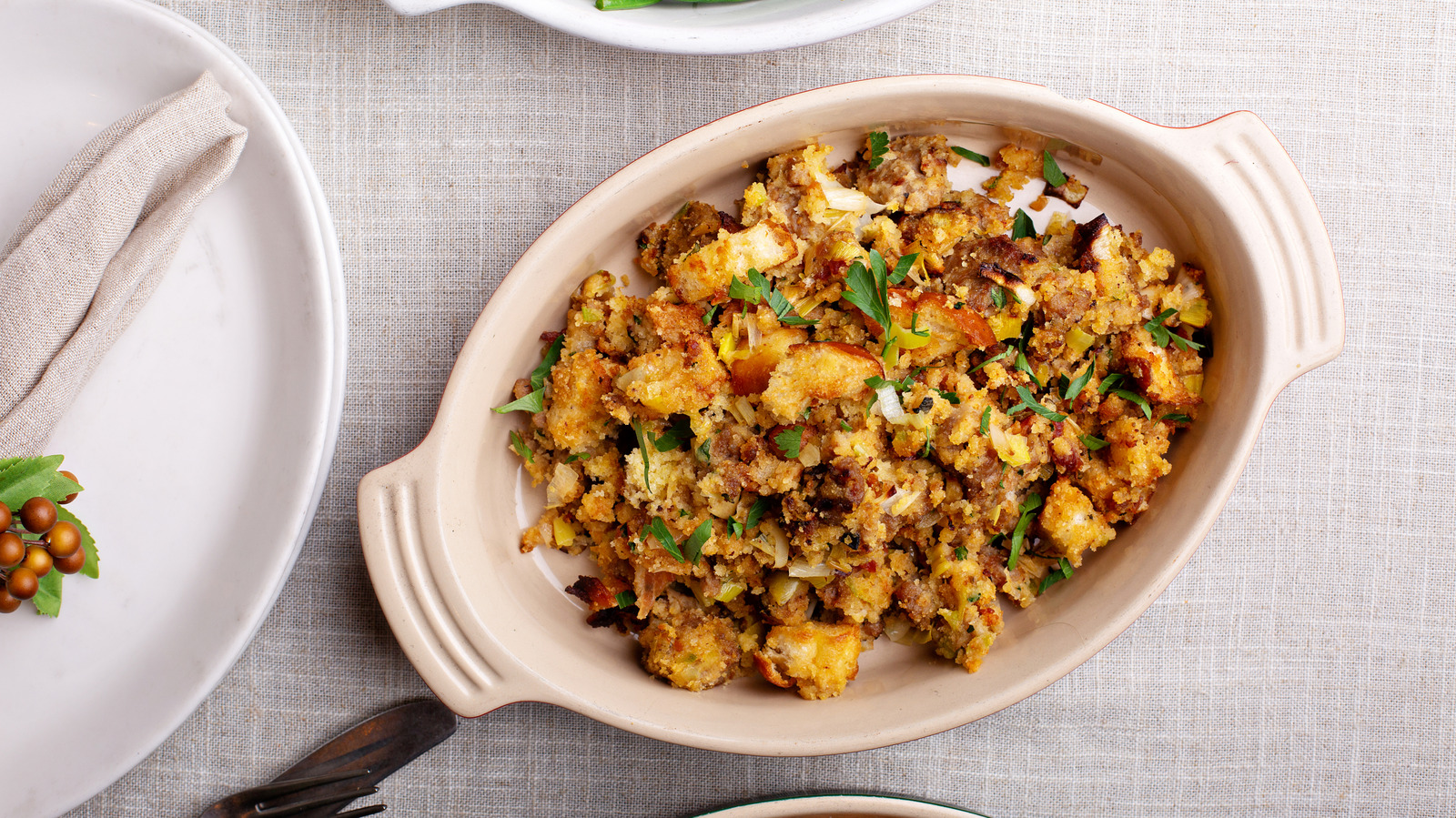
Thanksgiving dinner holds a special place in our hearts, a feast steeped in tradition, gratitude, and an array of comforting dishes. Among the stars of this culinary spectacle, few evoke such warmth and nostalgia as a perfectly prepared thanksgiving stuffing. Yet, for many home cooks, the pursuit of that ideal stuffing – crispy on top, tender and moist within, bursting with savory flavor – can often end in disappointment, leaving behind a sad, soggy rendition that falls flat. We've all been there: a store-bought shortcut or a misjudged recipe leading to a lifeless side dish that just doesn't measure up to the holiday spirit.
But what if we told you that mastering homemade thanksgiving stuffing isn't just possible, but surprisingly achievable? Forget those disheartening memories of mushy bread and bland herbs. This comprehensive guide will equip you with the secrets to transform your holiday table with a stuffing that’s legendary, a dish that will transport your guests to a cherished farmhouse kitchen, filled with the intoxicating aroma of sage and butter. We're going to break down the crucial steps, from selecting the right bread to perfecting the moisture balance, ensuring every bite is a testament to homemade excellence.
The Essential First Step: Choosing and Prepping Your Bread Wisely
The foundation of any great thanksgiving stuffing begins with the bread. This isn't merely a filler; it's the canvas upon which all other flavors are built, and its structure is paramount to avoiding the dreaded sogginess. Our top recommendation, echoed by generations of home cooks who've cracked the code, is day-old sourdough bread.
Why Sourdough Reigns Supreme for Stuffing
- Structure and Resilience: Sourdough possesses a unique, open crumb structure and a slightly chewy texture that holds up exceptionally well against warm broth and extended baking times. Unlike softer, more delicate breads, sourdough won't disintegrate into a mushy pulp, retaining its integrity and providing that satisfying tender-chewy consistency in the finished dish.
- Tangy Flavor Profile: The subtle tang of sourdough beautifully complements the rich, savory herbs and butter. It adds a layer of complex flavor that elevates the entire stuffing, creating a more sophisticated and memorable experience than a neutral bread might.
While sourdough is a star, other options can work if prepped correctly. Day-old French bread, challah, or even a good quality white sandwich bread (untoasted initially) can be used. French bread offers a neutral base, allowing the other ingredients to shine, while challah provides a richer, slightly sweeter profile. However, regardless of your choice, the key to preventing a soggy outcome lies in one critical technique: toasting.
The Golden Rule: Toast Your Bread Cubes!
This step cannot be overstated. If your bread is fresh, or even just day-old but still soft, you *must* toast it. Preheat your oven to 350°F (175°C), spread your 1-inch bread cubes on baking sheets, and bake for 10-15 minutes, tossing halfway, until they are lightly golden and slightly crispy. The goal isn't to make croutons, but to dry out the bread, allowing it to absorb moisture more evenly and prevent it from collapsing into a wet mass. This crucial action creates a robust structure ready to embrace the flavorful liquids without becoming saturated and heavy. For more detailed insights on achieving that perfect crunch, delve into Grandma's Stuffing Secrets: Achieve Perfect Crispy Texture.
Building Depth: Mastering the Aromatic Base and Herb Infusion
With your bread foundation perfectly prepped, it's time to create the aromatic heart of your thanksgiving stuffing. This is where the magic truly begins, as butter and fresh vegetables meld to form an irresistible base.
The Quintessential Mirepoix: Butter, Onions, and Celery
Melt a generous amount of butter in a large skillet or Dutch oven over medium heat. Butter isn't just about flavor here; it’s a crucial vehicle for cooking and infusing the other ingredients. Add finely diced onions and celery. The trick here is patience. Sauté these vegetables slowly, stirring frequently, for 7-10 minutes until they become wonderfully soft and the onions turn translucent. You’ll know you’re doing it right when your kitchen begins to fill with an absolutely divine aroma – a sure sign of flavor development.
During this stage, lightly season your vegetables with salt and freshly ground black pepper. Seasoning in layers is a professional chef's secret, ensuring that every component of your stuffing carries its own delicious flavor, rather than just relying on a final sprinkle.
The Power of Fresh Herbs: Sage, Thyme, and Rosemary
No thanksgiving stuffing is complete without the iconic trinity of poultry herbs: fresh sage, thyme, and rosemary. These herbs are the soul of the dish, providing that unmistakable holiday essence. Once your vegetables are softened, add your freshly chopped herbs to the skillet. Stir them in for just another minute or two. This brief sauté allows their essential oils to bloom, releasing their full aromatic potential and ensuring their flavors are evenly distributed throughout the mixture without becoming bitter from overcooking. The vibrant green against the glistening vegetables is not only beautiful but promises incredible taste. For a deeper dive into how these herbs transform your holiday dishes, explore Easy Herb-Infused Stuffing: The Sourdough Difference for Holidays.
The Art of Moisture: Avoiding the Dreaded Soggy Bottom
This is arguably the most crucial step for achieving that legendary texture: the perfect balance between a tender, moist interior and a delightfully crispy top. The biggest mistake home cooks make is adding too much liquid too quickly.
Gradual Broth Addition for Optimal Consistency
Once your toasted bread cubes, sautéed aromatics, and fresh herbs are combined in a large mixing bowl, it's time for the broth. We recommend using a high-quality chicken or vegetable broth. The secret lies in adding it *gradually*. Pour in about two-thirds of the suggested broth initially, then gently toss the mixture. Observe the bread: it should be moist but not saturated. Continue adding small amounts of broth, a quarter cup at a time, tossing gently after each addition, until the bread is evenly moistened and fluffy. You're looking for a consistency where the bread cubes are fully hydrated but still hold their shape, without any pooling liquid at the bottom of the bowl. This method gives you complete control, preventing both soggy spots and dry patches.
Baking for Crispy Tops and Tender Centers
Transfer your perfectly moistened thanksgiving stuffing mixture into a buttered baking dish. For the ideal texture, consider these baking tips:
- Initial Covered Bake: To ensure the interior remains tender and moist, start by baking the stuffing covered with foil for about 20-25 minutes. This creates a steamy environment, allowing the flavors to meld and the bread to fully soften without drying out.
- Uncover for Crispiness: Remove the foil and continue baking for another 20-30 minutes, or until the top is beautifully golden brown and crispy. If you desire an even crispier surface, you can briefly place it under the broiler for a minute or two, watching it very carefully to prevent burning.
The goal is a harmonious contrast: a delicate, slightly chewy interior infused with rich flavor, crowned by a irresistible, golden-brown crust.
Make It Your Own: Customization and Make-Ahead Magic
While the classic herb and bread stuffing is a holiday staple, don't shy away from making it uniquely yours. This recipe is wonderfully forgiving and adaptable.
Delicious Add-Ins to Elevate Your Stuffing
- Sausage: Cooked and crumbled breakfast sausage (sage or mild Italian varieties work beautifully) adds a hearty, savory depth.
- Fruit & Nuts: Dried cranberries, chopped apples, or even toasted pecans or walnuts can introduce delightful contrasting textures and flavors.
- Mushrooms: Sautéed mushrooms lend an earthy, umami richness.
- Bacon: Crispy crumbled bacon, added at the end, provides a smoky, salty crunch.
Streamline Your Holiday with Make-Ahead Tips
Thanksgiving day is often a whirlwind, but your stuffing doesn't have to contribute to the stress. This recipe is incredibly make-ahead friendly:
- Prep Components in Advance: Cube and toast your bread several days ahead and store in an airtight container. Dice your onions and celery, chop your herbs, and store them separately in the refrigerator.
- Assemble Ahead: You can even assemble the entire stuffing mixture (bread, sautéed aromatics, herbs, and broth) the day before Thanksgiving. Cover it tightly and refrigerate. On the big day, simply transfer to your baking dish and bake as directed, adding an extra 10-15 minutes to the covered baking time since it will be chilled.
Whether you call it stuffing or dressing (the distinction typically revolving around whether it's cooked inside or outside the bird), this homemade version promises to be the undisputed champion of your holiday table. It’s a dish that embodies the very essence of Thanksgiving – a labor of love, a connection to tradition, and a celebration of truly delicious food.
Mastering homemade thanksgiving stuffing is a rewarding culinary journey that transforms a potentially soggy side into a show-stopping centerpiece. By understanding the critical roles of proper bread preparation, deliberate flavor building, and precise moisture control, you can confidently create a dish that not only avoids disappointment but becomes a cherished part of your family’s holiday legacy. So this year, skip the store-bought compromise and embrace the simple joy of a perfectly crafted, flavorful, and wonderfully textured homemade stuffing. Your guests, and your taste buds, will thank you.
