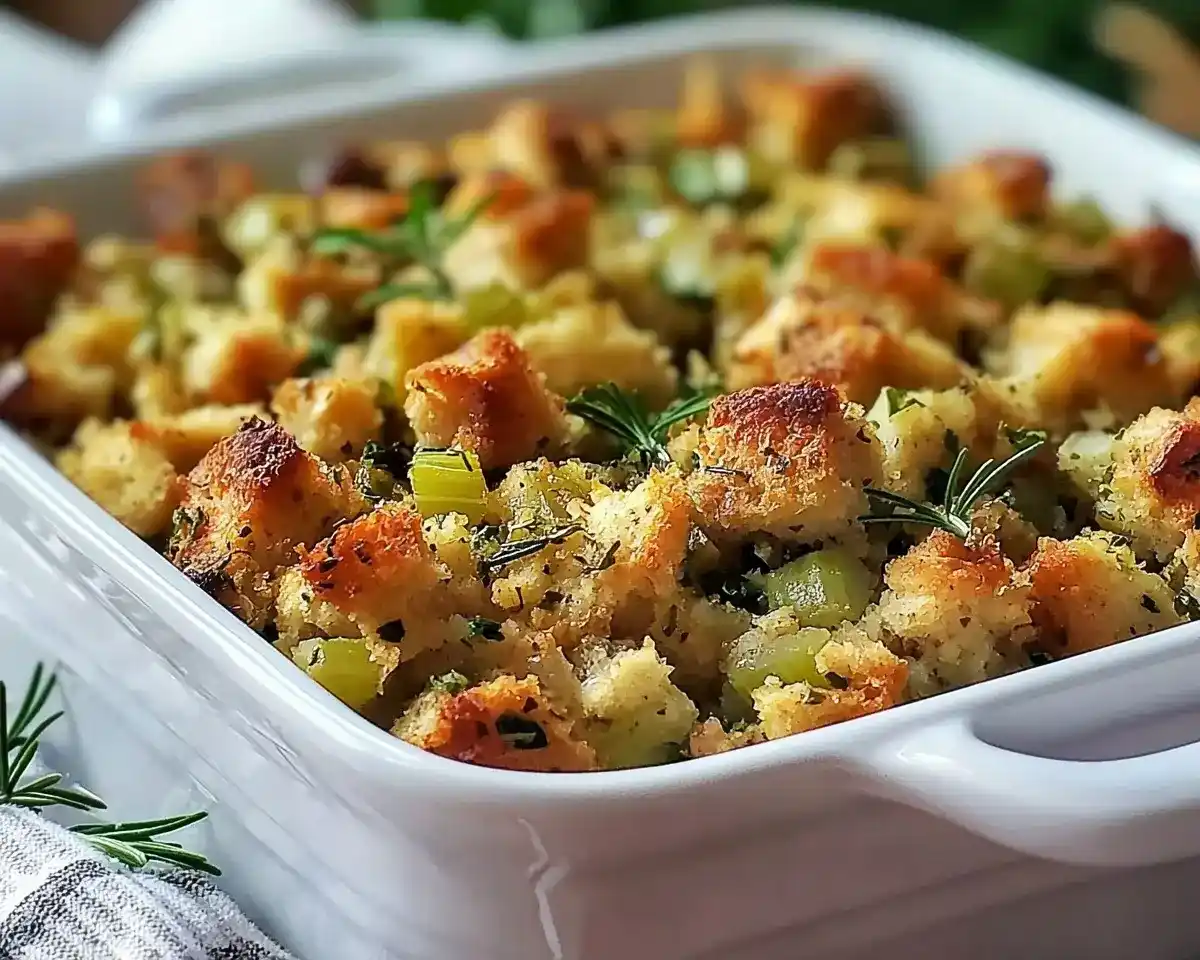
The Timeless Art of Perfect Thanksgiving Stuffing: Unveiling Grandma's Crispy Secrets
There are few aromas as comforting and evocative as sage and butter dancing in a warm kitchen, signaling the arrival of the holidays. For many, that scent instantly transports them to a grandmother's farmhouse kitchen, a place where culinary magic happened effortlessly. At the heart of that magic, undoubtedly, was her legendary
Thanksgiving stuffing – a dish that somehow achieved the impossible: a gloriously crispy top, a beautifully tender interior, and a flavor profile that whispered of generations of love.
Perhaps you, like many, have faced the dreaded soggy stuffing fate. Three Thanksgivings ago, my own family experienced a store-bought version that was lifeless and profoundly disappointing. That moment sparked a mission: to crack the code of the perfect homemade
Thanksgiving stuffing. Months of experimentation, bread type comparisons, and moisture level adjustments finally yielded the secret, largely inspired by the simple, profound wisdom of grandmothers everywhere. This isn't just a recipe; it's an inheritance, designed to transform your holiday meals and ensure every bite is a testament to tradition and taste.
The Foundation of Flavor and Texture: Choosing Wisely from the Start
Achieving that coveted crispy texture and rich flavor in your
Thanksgiving stuffing begins long before the baking dish hits the oven. It's about making smart choices at the very first step.
Choosing the Right Bread: The Sourdough Advantage
The bread is not merely a filler; it is the backbone of your stuffing. Grandma’s ultimate secret for superior texture lies in using day-old sourdough bread. Why sourdough?
- Tangy Depth: Its inherent tang complements the savory herbs beautifully, adding a subtle complexity that other breads simply can't match.
- Robust Structure: Sourdough's denser crumb holds up remarkably well against the warm broth, preventing it from collapsing into a mushy consistency. This structural integrity is key to retaining individual bread cubes and creating that delightful varied texture.
While sourdough is highly recommended, other day-old breads like French bread or a sturdy artisan loaf can work well. The crucial element, however, is *day-old* bread. Fresh bread retains too much moisture and will almost certainly lead to a soggy stuffing. If your bread isn't day-old, don't despair! You can easily achieve the desired dryness by cubing it into 1-inch pieces and spreading them on baking sheets. A quick toast in a 350°F (175°C) oven for 10-15 minutes, until slightly crispy and dried out, will prepare your bread perfectly for the journey ahead. This crucial step is your first line of defense against soggy stuffing and a major player in achieving that desirable crispy exterior. For more insights on this foundational aspect, explore
Easy Herb-Infused Stuffing: The Sourdough Difference for Holidays.
Building the Soulful Aromatic Base
With your bread prepared, it's time to build the aromatic heart of your
Thanksgiving stuffing. This isn't just about cooking vegetables; it's about layering flavors that will permeate every bite.
- Melt Butter Generously: Start with a generous amount of butter in a large skillet over medium heat. Butter is not just for flavor; it's a critical carrier for the aromatics and contributes significantly to the golden, crispy crust.
- Sauté Onions and Celery: Add finely diced onions and celery to the melted butter. Stir frequently, allowing them to soften and become translucent, typically 5-7 minutes. At this point, your kitchen should begin to smell absolutely divine – a true sign that holiday magic is unfolding.
- Season and Infuse: Lightly season the sautéed vegetables with salt and pepper. Then, add your freshly chopped herbs: sage, thyme, and rosemary. Stir for just another minute. This brief sauté allows the essential oils in the herbs to release their full fragrance and flavor, ensuring they are evenly distributed and deeply infused throughout your stuffing.
This aromatic base is the unsung hero, providing a savory depth that supports and elevates the entire dish.
Mastering Moisture and Herbaceous Depth for Your Thanksgiving Stuffing
The line between a perfectly moist stuffing and a waterlogged one is surprisingly fine. Achieving the ideal balance is key to ensuring your crispy top doesn't come at the expense of a dry, crumbly interior.
Achieving Perfect Moisture Balance
The secret to preventing both soggy bottoms and dry patches lies in careful, gradual moisture addition.
- Broth is Best: Use a high-quality chicken or vegetable broth. Homemade broth will always offer the richest flavor.
- Add Gradually: Never dump all the broth in at once. Start with a recommended amount, mix thoroughly, and then assess. You want the bread cubes to be moist but not swimming. Each cube should absorb the liquid but still hold its shape. The goal is a consistency where the mixture is slightly wet but not dripping.
- Visual Cues: If you squeeze a handful of stuffing, it should clump together without excess liquid dripping out. If it crumbles, add more broth; if it squishes, you’ve added too much. Remember, you can always add more, but you can't easily take it away!
This careful approach to moisture is paramount for achieving that perfect textural contrast. For more detailed strategies on this, refer to
Homemade Thanksgiving Stuffing: Avoid Soggy & Master Flavor.
The Power of Fresh Herbs: Sage, Thyme, Rosemary
While dried herbs have their place, for a truly exceptional
Thanksgiving stuffing, fresh herbs are non-negotiable.
- Vibrant Flavor: Fresh sage, thyme, and rosemary offer a brightness and depth of flavor that dried versions simply cannot replicate. They are the heart of that classic holiday aroma and taste.
- Optimal Incorporation: Chopping them finely and adding them to the sautéed vegetables for a brief cook time ensures their essential oils are released and evenly distributed. This step prevents bland spots and ensures every forkful is bursting with herbaceous goodness.
This thoughtful layering of flavors, from the sourdough base to the aromatic vegetables and fresh herbs, creates a wildly flavorful yet completely balanced stuffing that won't overwhelm your other holiday dishes.
Bringing It All Together: Assembly, Baking, and Make-Ahead Magic
With your ingredients prepped and flavors layered, the final steps are about assembly and intelligent baking to guarantee that perfect crispy texture.
Mixing and Customization Tips
Once your bread cubes, aromatic base, and broth are ready, gently combine them in a large bowl. Be careful not to overmix, as this can break down the bread cubes and lead to a denser, less appealing texture.
This is also the stage for customization. While Grandma’s classic
Thanksgiving stuffing is divine on its own, feel free to add your own family touch:
- Sausage: Cooked and crumbled breakfast sausage adds a rich, savory dimension.
- Apples: Diced Granny Smith apples provide a delightful tartness and textural contrast.
- Mushrooms: Sautéed mushrooms can add an earthy umami flavor.
Ensure any additions are cooked and cooled before mixing them into the stuffing to avoid excess moisture.
Baking for Optimal Crispy-Tender Contrast
The baking process is where the magic of crispiness truly manifests.
- Prepare your Dish: Lightly butter a 9x13 inch baking dish.
- Cover Initially: Transfer the stuffing mixture to the prepared dish. For the first 30-40 minutes of baking, cover the dish tightly with foil. This traps moisture, ensuring the interior of the stuffing remains tender and steamy, preventing it from drying out prematurely.
- Uncover for Crispiness: Remove the foil for the final 20-30 minutes of baking. This allows the top layer of the stuffing to dry out and become beautifully golden brown and irresistibly crispy. For an extra golden crust, you can even lightly brush the exposed top with a little melted butter before the final uncovered bake.
Bake your
Thanksgiving stuffing at 375°F (190°C) until golden brown and heated through, usually about an hour total. An internal temperature of 165°F (74°C) is ideal.
Make-Ahead & Storage Secrets
One of the great joys of this recipe is its make-ahead friendliness, easing holiday stress.
- Prep Components: Cube and toast your bread, chop your vegetables, and prepare your herb blend days in advance. Store each component separately.
- Assemble Ahead: You can assemble the entire stuffing mixture (excluding baking) up to a day before Thanksgiving. Cover it tightly and refrigerate. When ready to bake, let it come to room temperature for about 30 minutes before placing it in the oven, or add an extra 10-15 minutes to the baking time.
- Storing Leftovers: Leftover stuffing stores beautifully in an airtight container in the refrigerator for 3-4 days. Reheat in the oven or microwave, adding a splash of broth if it seems dry.
This Grandma-approved method transforms your
Thanksgiving stuffing from a mere side dish into a star. By understanding the critical roles of bread choice, proper toasting, careful moisture management, and strategic baking, you too can achieve that perfect crispy texture and tender center that makes holiday meals truly memorable. It's time to create new memories, new traditions, and the most delicious stuffing your family has ever tasted.